
Special Hands, Beautiful Toys: Empowering Students Through Creativity and Inclusion
Education is most meaningful when it provides every learner with opportunities to discover their strengths, express their creativity, and actively participate in society. With this vision in mind, the European Union-supported project “Special Hands, Beautiful Toys” was designed to create enriching learning experiences for students with special educational needs while promoting inclusion, skill development, and self-confidence.
The project brought together students, teachers, families, and community members around a common goal: transforming creativity into meaningful products and demonstrating that every individual has unique talents to contribute. Through toy-making activities, collaborative workshops, and hands-on learning experiences, students were encouraged to develop practical skills while enjoying a fun and supportive educational environment.
Project Goals
The main aim of the Special Hands, Beautiful Toys project was to support the personal, social, and vocational development of students with special educational needs. The project focused on:
- Encouraging creativity and self-expression
- Developing fine motor and hand-eye coordination skills
- Improving communication and social interaction
- Promoting teamwork and cooperation
- Increasing self-confidence and independence
- Raising awareness about inclusion and equal opportunities
- Supporting vocational and life skills through practical activities
By participating in the production of handmade toys, students were able to experience the satisfaction of creating something valuable with their own efforts.
Learning Through Toy Production
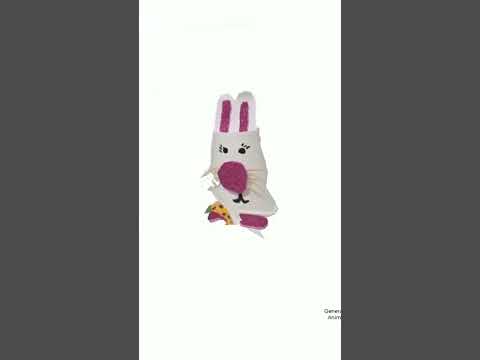
One of the most exciting aspects of the project was the toy-making workshops. Students worked with a variety of materials, including fabric, felt, wood, recycled materials, yarn, and decorative accessories. Guided by teachers and project partners, they designed and produced unique handmade toys.
These activities allowed students to practice important motor skills such as cutting, sewing, gluing, painting, assembling, and decorating. At the same time, they developed problem-solving abilities, attention to detail, and perseverance while completing each stage of the production process.
The workshops were adapted to meet the individual needs and abilities of each student, ensuring that everyone could participate successfully and experience achievement.
Building Social and Communication Skills
The project provided many opportunities for students to work together and interact with their peers. Collaborative activities encouraged communication, sharing ideas, helping others, and celebrating each other's successes.
Through teamwork, students learned how to take turns, follow instructions, make decisions, and contribute to group projects. These experiences played an important role in strengthening social relationships and creating a sense of belonging within the learning community.
Many students who were initially hesitant to participate became more confident over time, demonstrating increased willingness to communicate and engage in group activities.
Promoting Inclusion and Awareness
Beyond skill development, Special Hands, Beautiful Toys also aimed to raise awareness about the abilities and potential of individuals with special educational needs. By showcasing the students’ handmade products through exhibitions, presentations, and community events, the project highlighted their creativity, determination, and achievements.
Families, educators, and community members had the opportunity to see the students' work firsthand and recognize the value of inclusive educational opportunities. The project helped challenge stereotypes and encouraged a more positive understanding of diversity and disability.
Family and Community Involvement
The involvement of families played a significant role in the success of the project. Parents supported students throughout the activities and participated in various project events. Their encouragement helped reinforce students' confidence and motivation.
Community partnerships also contributed to the project's impact by creating opportunities for students to share their products and experiences with a wider audience. These interactions strengthened connections between schools and local communities while promoting social inclusion.
Educational and Personal Outcomes
Throughout the project, students demonstrated remarkable growth in various areas:
- Improved fine motor and practical skills
- Increased creativity and imagination
- Enhanced communication and social interaction
- Greater independence and responsibility
- Higher levels of self-confidence and motivation
- Improved concentration and task completion skills
- Increased awareness of teamwork and cooperation
- Development of vocational and life skills
Most importantly, students experienced the joy of creating something meaningful and seeing their work appreciated by others.
Conclusion
The European Union project “Special Hands, Beautiful Toys” demonstrated how creative and inclusive educational practices can make a lasting difference in the lives of students with special educational needs. By combining artistic expression, skill development, and community engagement, the project provided valuable opportunities for learning, growth, and personal achievement.
Through every toy they designed and created, students showed that talent, creativity, and determination come in many forms. The project not only helped them develop new skills but also empowered them to believe in their own abilities and potential.
Special Hands, Beautiful Toys stands as an inspiring example of how inclusive education can open doors, build confidence, and celebrate the unique contributions of every learner.



Hiç yorum yok:
Yorum Gönder